
Electrical Safety Tips for Families with Children
Keeping your family safe from electrical hazards is a top priority for every parent. This guide provides practical tips and advice to help you create a safer home environment for your children.
Understanding the Risks
Electrical accidents in the home can cause:
- Electric shocks
- Burns
- Fires
- Serious injury or death
Children are particularly vulnerable because they're naturally curious and may not understand the dangers of electricity.
Socket Safety
Socket Covers: The Debate
Modern UK sockets (BS 1363) have built-in safety shutters that prevent children from inserting objects. Many safety experts now advise against using socket covers because:
- They can damage the socket's safety mechanism
- Children may learn to remove them
- They can be a choking hazard if left lying around
- Modern sockets are already child-safe
Better Socket Safety Measures:
- Ensure all sockets are modern BS 1363 standard
- Replace damaged or loose sockets immediately
- Position furniture to block access to sockets where possible
- Teach children not to touch sockets or plugs
Cable and Cord Management
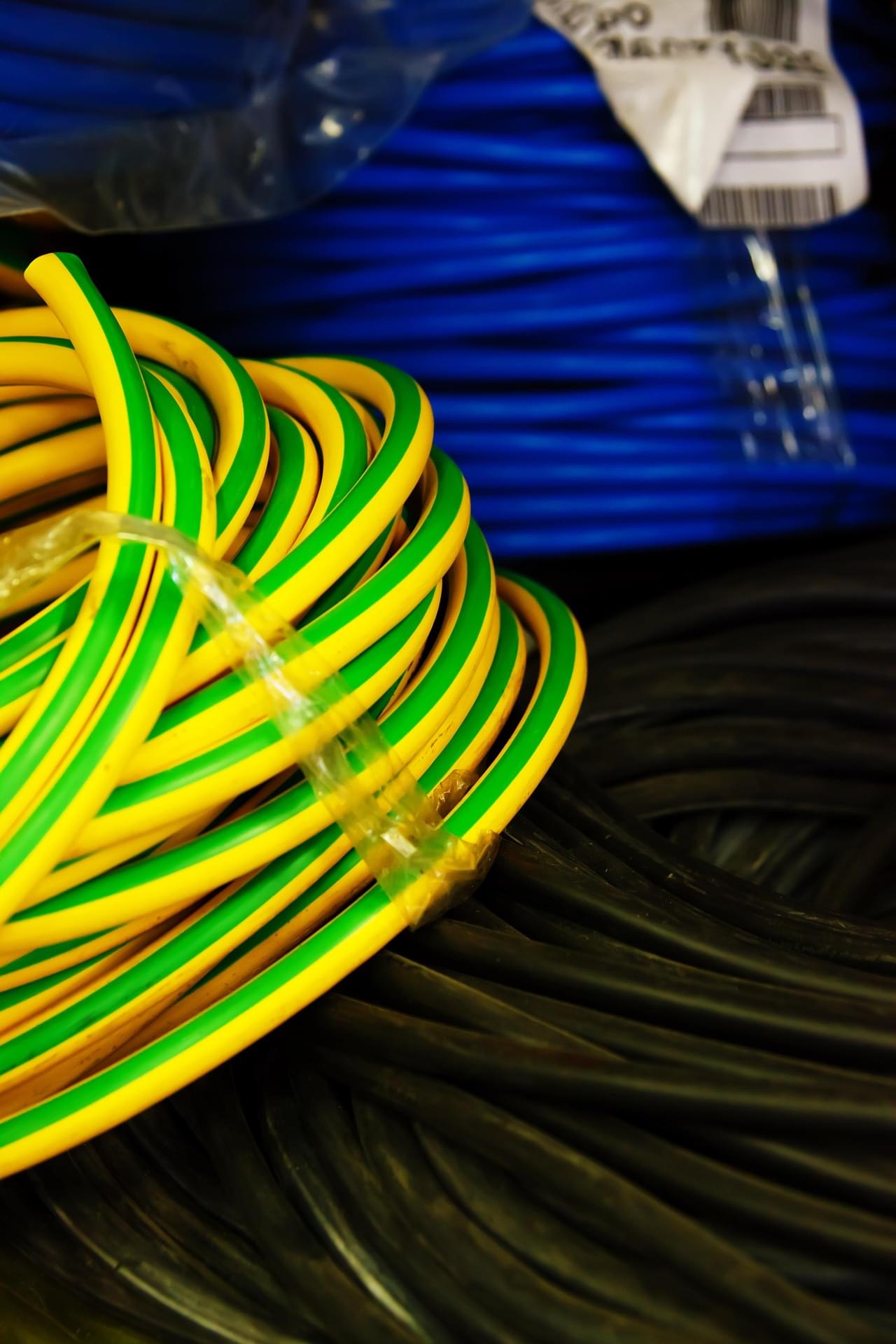
Loose cables present multiple hazards:
- Tripping hazards: Secure cables along walls or under carpets (using proper cable covers)
- Strangulation risk: Keep blind cords and appliance cables out of reach
- Chewing hazards: Babies and toddlers may chew on cables
- Pulling hazards: Children pulling on cables can bring appliances down
Cable Safety Tips:
- Use cable tidies and clips
- Keep cables behind furniture where possible
- Never run cables under rugs (fire hazard)
- Replace damaged cables immediately
- Use cordless appliances where practical
Appliance Safety
Kitchen Safety
The kitchen is full of electrical hazards:
- Kettles: Use cordless models and position away from edges
- Toasters: Keep away from water and supervise use
- Microwaves: Teach older children safe use
- Ovens: Use oven locks if available
- Small appliances: Unplug and store away when not in use
Bathroom Safety
Water and electricity are a dangerous combination:
- Never use electrical appliances near water
- Ensure bathroom has RCD protection
- Use battery-powered devices where possible
- Keep hairdryers and straighteners unplugged and stored safely
- Teach children never to touch switches with wet hands
Living Areas
- TVs and entertainment systems: Secure to walls to prevent tipping
- Lamps: Use LED bulbs (cooler and safer)
- Extension leads: Don't overload; use surge protectors
- Chargers: Unplug when not in use; check for damage
Teaching Children About Electrical Safety
Age-Appropriate Lessons
Toddlers (1-3 years):
- Simple "no touch" rules for sockets and switches
- Supervision at all times
- Physical barriers where possible
Preschoolers (3-5 years):
- Explain that electricity can hurt
- Teach them to ask an adult before using electrical items
- Show them the difference between safe and unsafe situations
School Age (5-12 years):
- Explain how electricity works (age-appropriately)
- Teach safe use of approved devices
- Explain why water and electricity don't mix
- Show them the consumer unit and explain its purpose
Teenagers (12+ years):
- Teach responsible use of electrical devices
- Explain the dangers of overloading sockets
- Discuss the risks of damaged cables and chargers
- Encourage them to report electrical problems
Outdoor Electrical Safety
Gardens present unique electrical hazards:
- Garden tools: Use RCD-protected outlets
- Outdoor lighting: Ensure proper IP rating for weather resistance
- Ponds and water features: Use low-voltage systems
- Extension leads: Never use indoor leads outside
- Lawn mowers: Check cables before each use
Warning Signs of Electrical Problems
Teach your family to recognize and report:
- Flickering lights
- Burning smells
- Warm sockets or switches
- Buzzing or humming sounds
- Frequent circuit breaker trips
- Discolored outlets
- Sparks when plugging in appliances
Emergency Procedures
If Someone Gets an Electric Shock:
- Don't touch them if they're still in contact with the electrical source
- Turn off the power at the consumer unit if safe to do so
- Call 999 immediately
- Use a non-conductive object (wooden broom handle) to separate them from the source if power can't be turned off
- Begin CPR if trained and necessary
If There's an Electrical Fire:
- Never use water on an electrical fire
- Turn off power if safe to do so
- Use a fire extinguisher rated for electrical fires (CO2 or dry powder)
- Evacuate if the fire is spreading
- Call 999
Regular Safety Checks
Make these checks part of your routine:
Weekly:
- Check visible cables for damage
- Ensure sockets aren't overloaded
- Test smoke alarms
Monthly:
- Test RCD (trip switch) in consumer unit
- Check outdoor electrical equipment
- Inspect children's electronic toys
Annually:
- Have a professional electrical inspection
- Check all appliances for safety
- Review and update family safety rules
Safe Use of Technology
Charging Devices
- Use manufacturer-approved chargers only
- Don't charge devices under pillows or on beds
- Unplug chargers when not in use
- Check for overheating
- Replace damaged chargers immediately
Gaming and Computers
- Ensure adequate ventilation
- Don't overload sockets with multiple devices
- Use surge protectors
- Keep drinks away from electronics
- Supervise younger children's use
Creating a Family Safety Plan
- Identify hazards: Walk through your home together
- Set clear rules: Establish what's allowed and what isn't
- Designate responsibilities: Who checks what and when
- Practice emergency procedures: Regular fire drills
- Keep emergency numbers visible: Include your electrician's number
When to Call an Electrician
Don't attempt DIY electrical work. Call a qualified electrician if you notice:
- Frequent circuit breaker trips
- Flickering or dimming lights
- Burning smells
- Warm outlets or switches
- Sparking
- Buzzing sounds
- Damaged wiring
- Outdated electrical system
Conclusion
Electrical safety is an ongoing responsibility that requires vigilance, education, and regular maintenance. By following these guidelines and teaching your children about electrical safety, you can significantly reduce the risk of electrical accidents in your home.
Remember: when in doubt, always consult a qualified electrician. Your family's safety is worth the investment.
Concerned About Your Home's Electrical Safety?
Our NICEIC-approved electricians can conduct a comprehensive safety inspection of your home, identify potential hazards, and recommend improvements to keep your family safe.
Call 07815 2862540 Get a Quote